- Somewhere between the shofar blasts and the fast to come, the world kept turning this week — with a genuine diplomatic breakthrough, an engineering feat two thousand years in the making, and three Israeli women sweeping the podium at sea.
- Israel and Morocco agreed this week to upgrade their diplomatic ties to full embassy status, appointing ambassadors for the first time since restoring relations under the Abraham Accords in 2020. Foreign Minister Gideon Sa'ar met his Moroccan counterpart Nasser Bourita in New York, with the meeting hosted by the US ambassador to the UN, and the two sides also agreed to expand direct flights and finalise investment and tax agreements by the end of the year. Six years after the Accords were signed, this is the first time Rabat and Jerusalem have actually gone all the way to embassies.
- Just ahead of Rosh Hashanah, fifteen of Israel's leading universities, hospitals and health funds joined forces to launch the Israel National Biotech Innovation Center — the first time all of Israel's major sources of life-sciences research have united under one roof. INBI, chaired by former Bristol Myers Squibb strategy chief Samuel Moed and led by Compugen's Anat Cohen-Dayag as CEO, is aiming to raise $500 million over the next decade to help promising lab discoveries survive the notoriously difficult journey from university bench to actual medicine. Israel has never lacked for scientific talent; this is a bet on giving that talent somewhere to land.
- In Kiryat Gat, archaeologists pulled off something rarely attempted: lifting a 2,000-year-old, 25-ton ritual bath clean out of the ground, fully intact. The Second Temple-era mikveh, uncovered during construction work in the city's new Carmei Gat neighbourhood, was carefully excavated, undercut and hoisted by the Israel Antiquities Authority's conservation team so it could be kept safe during building work — and will eventually be returned to its original spot, at the heart of the finished neighbourhood's public square. "The day before an operation like this, you don't sleep," said the conservator who led it, 36 years into the job and still describing the adrenaline as new every time.
- And Israel had quite a weekend on the water: at the iQFOiL Windsurfing World Championships in England, 20-year-old Tamar Steinberg won gold, teammate Sharon Kantor took silver, and Daniela Peleg finished fourth — meaning three of the four finalists in the women's competition were Israeli. Steinberg, unbeaten through qualifying, now holds both the European and world titles at twenty, with her sights already on Los Angeles 2028.
- The Central Bureau of Statistics released its traditional pre-Rosh Hashanah "Israel in Numbers" report this week, and buried in the spreadsheets is a genuinely striking fact: Israelis had roughly 182,000 babies this past year, keeping the country's fertility rate at 2.88 children per woman — more than double the OECD average of 1.41, and a stark outlier among wealthy nations where birth rates keep falling. Life expectancy climbed too, to 81.4 years for men and 85.9 for women, among the highest anywhere. The population now stands at 10.305 million, up 1.2% on the year. Migration was the one soft spot in the numbers, with slightly more Israelis leaving than arriving or returning — though early figures for this year suggest that gap may already be narrowing.
- A quieter kind of week, in the spirit of the season — some old ties renewed, something ancient carefully preserved, and a reminder that Israel's small size has never stopped it from taking up more than its share of the podium.
18 September 2026
Quote for the Week
“Dirshu Hashem behimatzo, kra'uhu bihyoto karov” — “Seek the LORD while He may be found, call upon Him while He is near” (Isaiah 55:6, a verse long associated with the Ten Days of Repentance now underway between Rosh Hashanah and Yom Kippur.)
In Loving Memory
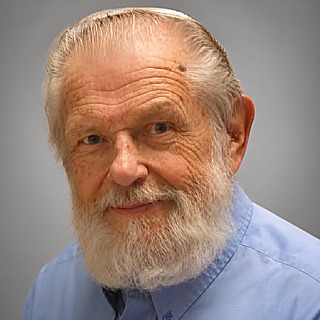
GN Israel is proudly brought to you by Joe, Barry and Adi Cohen, in loving memory of Mark Cohen z"l, who founded this newsletter and ran it until 2011.
With the support of Anglo-Saxon Ra'anana and The Blue Agency.